Greenwich council fines and hours for Abbey Wood removals

If you are planning a move and searching for guidance on Greenwich council fines and hours for Abbey Wood removals, you are probably trying to avoid two very real headaches: getting the timing wrong and getting hit with avoidable penalties. That is a sensible place to start. In London, a simple removal can turn messy fast if parking, access, loading bay rules, or local restrictions are ignored. The good news? With a bit of planning, you can keep the day calm, legal, and far less expensive than a rushed, last-minute job.
This guide breaks down what people usually mean by council fines and permitted hours, why the rules matter, and how to plan a move in Abbey Wood without falling into the common traps. It also explains how to organise a move in a way that respects local restrictions while still keeping your removals efficient. Truth be told, most problems come from small oversights, not from the move itself.
Table of Contents
- Why Greenwich council fines and hours for Abbey Wood removals matters
- How Greenwich council fines and hours for Abbey Wood removals works
- Key benefits and practical advantages
- Who this is for and when it makes sense
- Step-by-step guidance
- Expert tips for better results
- Common mistakes to avoid
- Tools, resources and recommendations
- Law, compliance, standards, or best practice
- Options, methods, or comparison table
- Case study or real-world example
- Practical checklist
- Conclusion
- Frequently asked questions
Why Greenwich council fines and hours for Abbey Wood removals Matters
Moving home or office is already a juggling act. Boxes pile up, someone is always missing tape, and the kettle seems to disappear right when you need it. Add local parking restrictions, loading time limits, or permit requirements, and suddenly a straightforward removal can become a costly one. That is why Greenwich council fines and hours for Abbey Wood removals matters so much: timing and compliance affect both your budget and how smoothly the day runs.
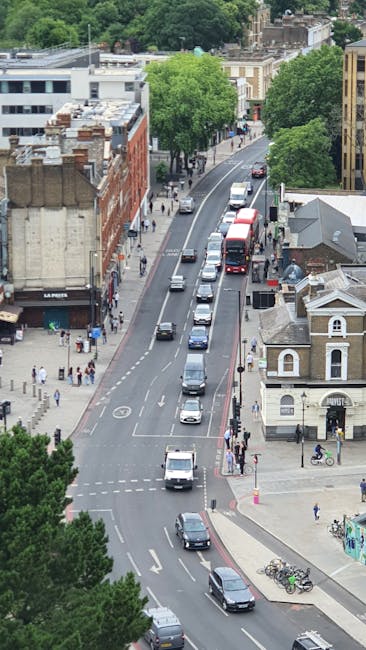
Abbey Wood sits in a part of southeast London where access can be tight, streets can be busy, and parking is often not as forgiving as people hope. If a vehicle is left in the wrong place, or a move runs beyond an allowed window, penalties can follow. Even where a fine is not issued immediately, delays can trigger stress, extra labour time, and knock-on issues with neighbours or building management.
For a lot of people, the first lesson is simple: the cheapest move on paper is not always the cheapest move in practice. If a van idles while someone hunts for parking or waits for a loading opportunity, that time costs money. A well-timed move can save far more than it seems at the start.
Expert summary: The safest approach is to treat local parking and time restrictions as part of the removals plan, not as a side issue. If you plan the access first, everything else tends to fall into place more easily.
And yes, the paperwork can be boring. But boring is often cheaper than penalty notices.
How Greenwich council fines and hours for Abbey Wood removals Works
The phrase usually refers to two related things: the hours during which a removal vehicle can lawfully stop, load, or unload in a given location, and the consequences if those rules are not followed. In practice, this often involves street restrictions, bay rules, permit conditions, event restrictions, or building access rules that sit alongside council enforcement.
Here is the plain-English version. If you park or stop in a controlled area without the right permission, or you stay longer than allowed, you may be liable to a penalty. The exact outcome depends on the street, the sign, the restriction, and the enforcement approach in that location. There is no one-size-fits-all rule for every road, which is where people sometimes get caught out.
In Abbey Wood, that can matter in a few different scenarios:
- loading furniture from a terraced street with limited curb space
- moving out of a flat where the van must remain close to the entrance
- accessing an estate road with resident bays or timed stopping rules
- coordinating a larger man and van move that needs repeated loading trips
- handling a full house relocation where the van may need to remain on site for a while
Hours matter because they influence both traffic and enforcement risk. Early morning can be quieter, but some streets have restrictions that become active at certain times. Midday may give better access but more congestion. Late afternoon can be tricky if commuters, school runs, or local delivery traffic add pressure. So the right slot is not just the slot that suits you. It is the one that works for the street, the property, and the van.
If your move is more involved, it helps to think beyond parking alone. Carrying time, lift access, stair flights, and packing readiness all affect how long the vehicle stays in place. Services such as packing and boxes or packing and unpacking services can reduce delays, which is often the easiest way to stay within local time limits.
One small but important point: fines are not the only cost. If a move overruns, the crew may need to return later, pay for additional parking, or wait for a better loading window. That is where the day starts getting expensive in little drips. Nobody wants that.
Key Benefits and Practical Advantages
Planning around council restrictions is not just about avoiding a ticket. It makes the move better. Cleaner. Faster. Less chaotic. And yes, a bit less sweaty, which is welcome when the stairwell is narrow and the weather is doing that strange London thing where it cannot decide between drizzle and heat.
The practical advantages include:
- Lower risk of fines by keeping the vehicle in the right place at the right time
- Less wasted labour time because the crew is not waiting for access
- Better coordination between building access, parking, and loading
- Fewer delays on the day, especially for larger or multi-stop moves
- Less stress for you, your neighbours, and anyone helping with the move
There is also a trust factor. When a removals provider understands local constraints, the whole experience feels more professional. You can see it in the little things: arriving with the right van, planning the load order, checking access before lifting the first box, and keeping communication clear if the schedule changes.
If you are comparing move types, a smaller vehicle such as a removal van can sometimes be easier to position in tighter streets than a larger truck. On the other hand, for a bigger household or office move, a moving truck might cut down on multiple journeys. There is no perfect answer for everyone. The best choice depends on volume, access, and timing.
Another advantage is planning confidence. Once you know the likely hours, the access rules, and the risk points, you can organise keys, packing, lift bookings, and team arrival with far less second-guessing. That alone can turn a fraught day into a manageable one.
Who This Is For and When It Makes Sense
This topic matters to anyone moving in or around Abbey Wood where Greenwich enforcement, parking controls, or timed access could affect the job. That sounds obvious, but it catches out more people than you might think. A lot of first-time movers assume the van can just stop outside the house, no fuss. In real life, that is not always how London streets behave.
It is especially relevant if you are:
- moving from a flat with limited loading access
- relocating from a home on a narrow residential street
- handling a student move or short-term tenancy change
- moving office equipment and needing to protect business hours
- transporting specialist items that take longer to load, such as a piano
For students, the timing issue can be even more awkward. End-of-term moves often happen during busy periods, and the streets near stations or shared houses can feel tight at the best of times. A properly planned student removals job can help avoid last-minute panic and awkward parking decisions.
For businesses, the stakes are slightly different. A missed loading window can affect staff, customers, and opening hours. In those cases, a service like office removals or commercial moves needs sharper timing and cleaner scheduling than a typical house move.
If you are not sure whether the move is complex enough to need extra planning, ask yourself: will the van need to stop on-street? Will there be multiple trips? Is there a lift, a concierge, or a loading bay involved? If the answer is yes to any of those, the hours and fine risk start to matter pretty quickly.
Step-by-Step Guidance
Here is a practical way to plan a move so you are not improvising on the pavement with a half-dismantled bed frame and a van that is running out of time.
- Check the property access first. Look at where the van can safely stop, whether there is a nearby bay, and whether the route from property to vehicle is clear.
- Match the vehicle to the job. A smaller load may suit a man with a van style move, while larger volumes may need a bigger vehicle or extra trips.
- Confirm the best moving window. Think about traffic, school runs, local restrictions, and any building rules that affect access.
- Prepare everything before arrival. Boxes labelled, furniture ready, doors open where appropriate, and parking space identified.
- Build in a buffer. Delays happen. A lift can get stuck. A sofa can be awkward. The key is not pretending everything will be perfect.
- Use the right support for fragile or bulky items. Services such as furniture removals or piano removals can reduce the risk of damage and slow handling.
- Keep documents and keys separate. This sounds basic. It also saves a lot of hunting on the day.
- Confirm payment and timing in advance. Good providers make this clear through pages like pricing and quotes and payment and security.
A practical move often starts the day before, not on the day itself. If you have ever been packing at 11:40pm while the kettle is making its fourth cup of the evening, you already know this. A little preparation changes everything.
If you are moving within a block of flats, remember that lift booking rules, resident bays, and entrance access can all shape the schedule. For compact properties, a flat removals service is often the better fit because it is usually built around tight access and quick turnaround.
Expert Tips for Better Results
Over the years, one pattern becomes obvious: the smoothest moves are rarely the ones with the fanciest equipment. They are the ones where the plan is realistic. A couple of useful habits can save you time and a lot of back-and-forth.
- Start with access, not boxes. If the vehicle cannot stop properly, everything else is secondary.
- Keep the first load simple. Put awkward or essential items in a clear order so the van can be loaded efficiently.
- Use good labelling. A box marked "kitchen" helps, but "kettle, mugs, plates" is better.
- Protect hallways and door frames. It reduces damage and makes the whole process feel calmer.
- Book early for busy dates. Fridays, month-end, and school holidays can tighten availability quickly.
- Ask about storage if the timeline is split. Sometimes the new place is not ready, or the keys are delayed. A short-term storage option can rescue a move that would otherwise go sideways.
One practical tip that people often miss: if you expect a tricky loading environment, tell the removals team early. That includes staircases, restricted roads, or heavy items. It is much easier for a crew to bring the right approach from the beginning than to improvise once they are already outside with the tail lift down.
And if you are moving office or business stock, keep sensitive items separated from general furniture. A focused office relocation services plan is usually more efficient than trying to handle everything as one giant pile. Sounds obvious, but people still do it all the time.
Common Mistakes to Avoid
Most issues around council fines and moving hours come from a handful of avoidable mistakes. None of them are dramatic on their own. Put together, though, they can ruin your timetable.
- Assuming stopping is always allowed. A road may look fine and still have restrictions.
- Ignoring the real load time. A one-bedroom flat can still take longer than expected if access is awkward.
- Leaving parking decisions until the van arrives. That is how people end up circling the street while everyone grows more annoyed.
- Overpacking boxes. Heavy boxes slow the move and increase the risk of injury or damage.
- Forgetting building rules. Concierge times, lift reservations, and service entrance rules matter more than people think.
- Using the wrong-sized vehicle. Too small means multiple trips; too large can mean access trouble.
There is also a psychological mistake, which is pretending the move will somehow sort itself out. It rarely does. Even a fairly simple home moves job benefits from a short plan, clear arrival time, and a realistic idea of how long loading will take.
Another easy slip is not checking whether bulky furniture can be dismantled. Beds, wardrobes, and oversized tables often move better when prepared in advance. If dismantling is not your thing, a provider that handles house removals can help make that stage less stressful.
Tools, Resources and Recommendations
You do not need a big toolkit to organise a compliant move, but a few practical tools help more than you might expect. Nothing flashy. Just useful, everyday things.
- A printed moving plan with times, addresses, and contact details
- Box labels and marker pens for fast room sorting
- Basic floor protection for clean hallways and muddy weather days
- Furniture covers or blankets for awkward edges and fragile finishes
- A phone with enough charge for driver updates and access checks
From a service perspective, it can help to compare the style of move rather than just the headline price. For example, a quick local job may suit removals arranged around simple loading. A business move may be better served by office removals. A more fragile job may need specialist handling and better packing support. Different problem, different answer.
If your move includes unwanted items, consider whether they should be moved, stored, or removed separately. Services such as furniture pick up can be more efficient than trying to squeeze everything into the main removal day.
For anyone comparing providers, it is sensible to review practical pages like insurance and safety, health and safety policy, and terms and conditions. Those pages tell you a lot about how a company thinks, which is often more revealing than polished sales copy.
Law, Compliance, Standards, or Best Practice
When people ask about Greenwich council fines and hours for Abbey Wood removals, they are usually asking about local parking enforcement and the normal standards that a responsible removal should follow. In the UK, the exact rules depend on the street, signage, and any permits or restrictions in force. So the safest general advice is to treat on-street loading as a regulated activity, not a casual one.
Best practice usually includes:
- checking the road signs before stopping
- allowing enough time for loading and unloading
- avoiding obstructive parking
- planning around building rules and resident access
- making sure the moving crew understands the access constraints
If you are working in a shared building, the standards are often just as important as the council rules. Shared hallways, lifts, and entrances need care. That means protecting surfaces, not blocking fire routes, and keeping the route clear for other residents. It is not glamorous, but it matters.
For trade and commercial moves, compliance becomes even more important because delays can affect staff and customers. That is where structured planning and dependable timing matter more than trying to save a small amount by rushing. No one enjoys that call from the building manager at 8:15 in the morning.
It is also sensible to use providers who are transparent about insurance and safety. That does not remove the need for good planning, but it adds a useful layer of protection when moving valuable furniture or equipment.
Options, Methods, or Comparison Table
Different move types need different approaches. A tidy comparison helps you see why one method suits a particular street or schedule better than another.
| Move type | Best for | Typical access challenge | Why timing matters |
|---|---|---|---|
| Man and van | Smaller home moves, quick local jobs, lighter loads | Street parking and repeat trips | Shorter windows are easier to manage, but only if loading is organised |
| Flat removals | Apartment moves with stairs, lifts, or tight corridors | Lift bookings, shared entrances, limited stopping space | Moving hours often need to fit building access and local restrictions together |
| House removals | Full household relocations | More furniture, more time, larger vehicle needs | A longer load time means planning around enforcement risk becomes more important |
| Office removals | Business equipment and workplace relocations | Staff access, loading bays, working-hour pressure | Timing affects both compliance and business disruption |
| Storage-led move | Split timelines or delayed access to the new property | Two-stage loading and unloading | Extra handling means more chance of overrunning if the schedule is too tight |
If you are moving something awkward or valuable, the method matters even more. A piano, for example, is not something you want to leave to guesswork. Services such as piano removals exist precisely because a careful route, proper handling, and realistic timings make a difference.
In short, the comparison comes down to one question: how much complexity does your move really have? If the answer is "more than a simple van and a few boxes," then the hours and local restrictions deserve proper attention.
Case Study or Real-World Example
Here is a realistic example. A couple moving from a first-floor flat in Abbey Wood had a fairly ordinary plan at first glance: a sofa, bed, a small dining table, several boxes, and a few fragile items. Nothing dramatic. But the property sat on a street where stopping was awkward, and the building had a narrow access point with no easy waiting space.
They originally expected the van to arrive, load up quickly, and be done before lunch. Reasonable enough. Except the access window was tighter than they thought, and the furniture needed to be carried down carefully to avoid damaging the communal hallway. Because they had not checked the local parking situation early, there was a risk that the vehicle would need to circle while someone hunted for a spot. Not ideal.
The fix was simple in principle, if slightly annoying in practice. They shifted the moving time to a quieter slot, packed all small items the night before, and chose a smaller vehicle that could stop more easily close to the property. The result was less stress, no frantic last-minute dash, and a move that finished much closer to the planned schedule.
That kind of move happens all the time. Nothing extraordinary. Just a few thoughtful decisions made early enough to matter. A modest house or flat move can be surprisingly smooth when the van, the timing, and the access conditions all line up.
One thing they said afterwards, and this comes up often: the best part was not saving money on the day, but not feeling rushed. That is usually the real win.
Practical Checklist
Use this checklist before moving day. It is simple, but it covers the areas that usually cause the most trouble.
- Confirm the exact address and access route
- Check parking, stopping, and loading restrictions for the street
- Choose a move time that avoids the busiest local windows where possible
- Measure large furniture and doorways
- Pack and label boxes before the crew arrives
- Set aside essentials you need first at the new place
- Arrange lift bookings or building permissions if required
- Keep payment details and job notes ready
- Prepare fragile items separately
- Have a backup plan for delays or temporary storage
If you want a smoother, more predictable experience, review the provider's wider support pages too, including about us and contact us, so you know who you are dealing with and how they communicate. Small reassurance, big effect. Especially on moving day.
Get a free quote today and see how much you can save.
Conclusion
Greenwich council fines and hours for Abbey Wood removals is really about planning well enough to avoid expensive surprises. If you get the timing right, understand the access restrictions, and choose the right removals setup for the property, the whole day becomes much easier. Less waiting. Less risk. Less stress. That is the real value here.
Whether you are moving a single flat, a full family home, or business equipment, the smartest move is usually the calm one. Check the street, think about the hours, prepare your boxes, and make sure the vehicle fits the job. Simple advice, yes, but it works.
And if there is one thing worth remembering, it is this: good removals are rarely about speed alone. They are about timing, care, and not getting caught out by the small stuff. That part matters more than people realise.
Frequently Asked Questions
What does Greenwich council fines and hours for Abbey Wood removals actually mean?
It refers to the local time limits, stopping rules, and enforcement risks that can affect a removal in Abbey Wood. If you park or load outside the allowed conditions, you may face a penalty.
Do I always need a permit for a removals van in Abbey Wood?
Not always. It depends on the street, the restrictions in place, and whether the vehicle needs to stop in a controlled area. Checking access and signage before the move is the safer approach.
What is the safest time of day to move?
There is no universal best time. The best slot is the one that works for the property, the road restrictions, and the traffic pattern. Early quieter periods can help, but only if the restriction signs allow it.
Can a small van reduce the risk of fines?
Sometimes, yes. A smaller vehicle can be easier to position in tight streets and may load more quickly. That said, the main factor is still whether you stop legally and within the allowed time.
How do I avoid overrunning the loading time?
Pack in advance, label boxes clearly, dismantle furniture where possible, and keep access routes clear. The more ready your items are, the less time the van spends waiting.
What if my flat has no easy parking nearby?
That is a common issue. In that case, the move may need earlier planning, a smaller vehicle, or a different loading arrangement. Flat moves often benefit from extra organisation because access is rarely perfect.
Are office moves more likely to face timing problems?
Yes, often they are. Office relocations have to work around staff, customers, and building access, so timing and compliance matter even more than they do for a basic home move.
Does packing earlier really make a difference?
Absolutely. Good packing saves time, reduces lifting delays, and lowers the risk of broken items. It is one of the easiest ways to keep the move within a sensible window.
What should I do if I need temporary space between properties?
Look at storage as a short-term bridge rather than a last resort. It can keep the move organised if the new property is not ready or if access times do not line up neatly.
How do I choose between man and van and full removals?
Use man and van for lighter, simpler jobs with fewer items. Choose full removals when the volume, furniture size, or access complexity calls for more support and better coordination.
Can delays increase the cost of a move even if I do not get fined?
Yes. Waiting time, extra trips, and parking complications can all add cost. A move can become expensive without any official penalty at all, which is why planning matters so much.
Where can I check how a company handles safety and pricing?
Look at their published information on pages such as health and safety policy, insurance and safety, and pricing and quotes. That gives you a clearer picture of how they work before you book.
When you take the time to plan properly, the move feels lighter. Not perfect, maybe, but lighter. And that is usually enough to make a stressful day feel manageable.